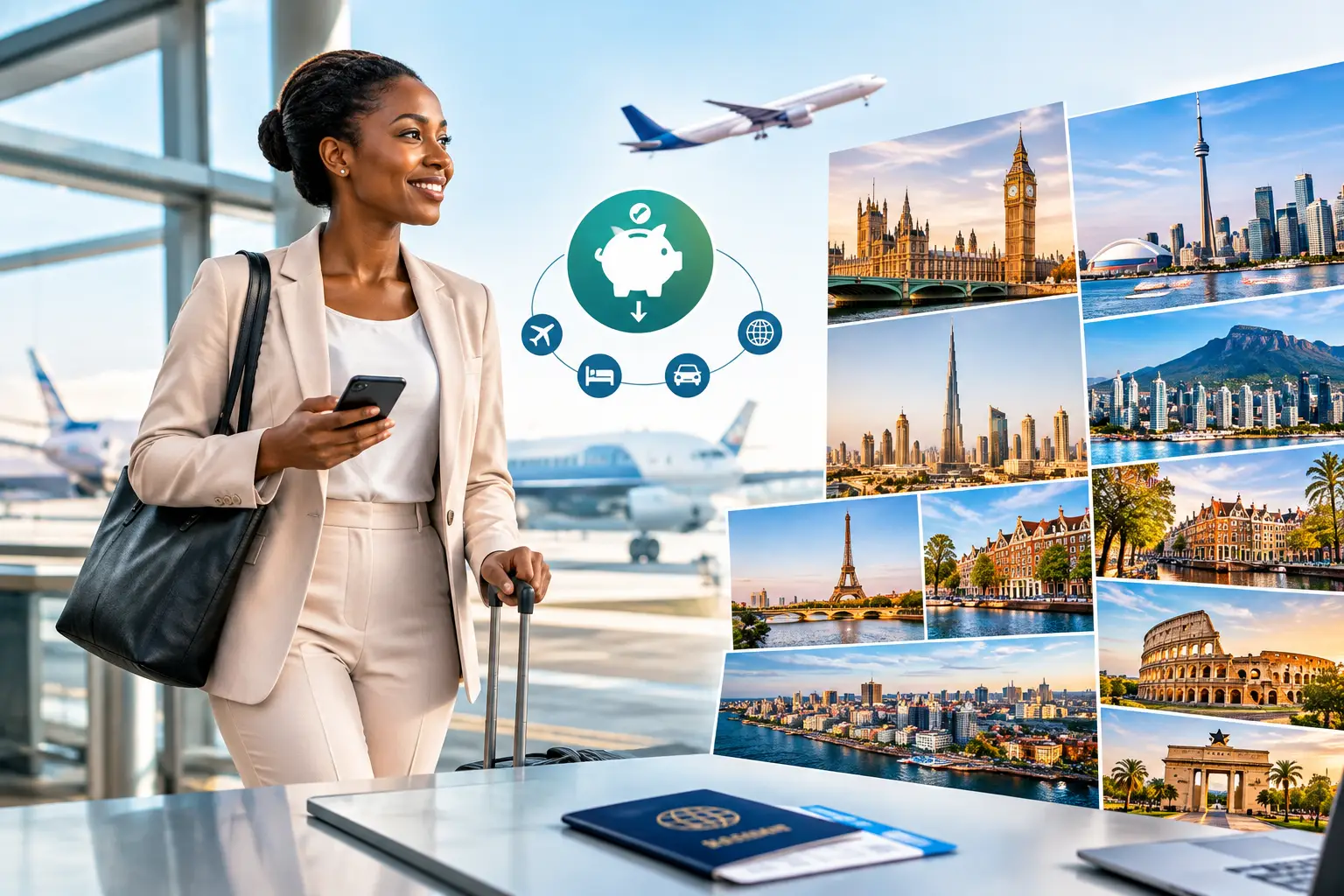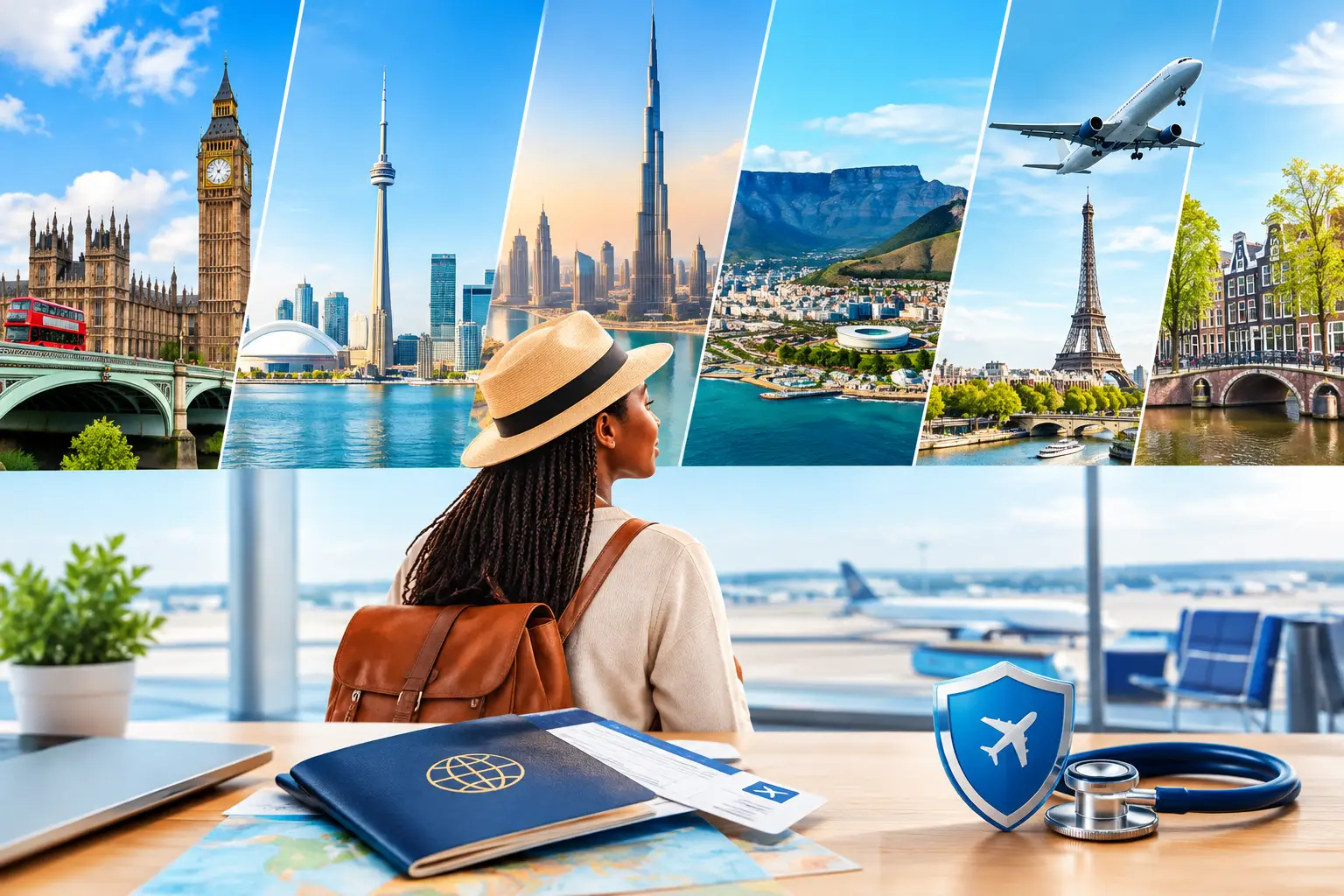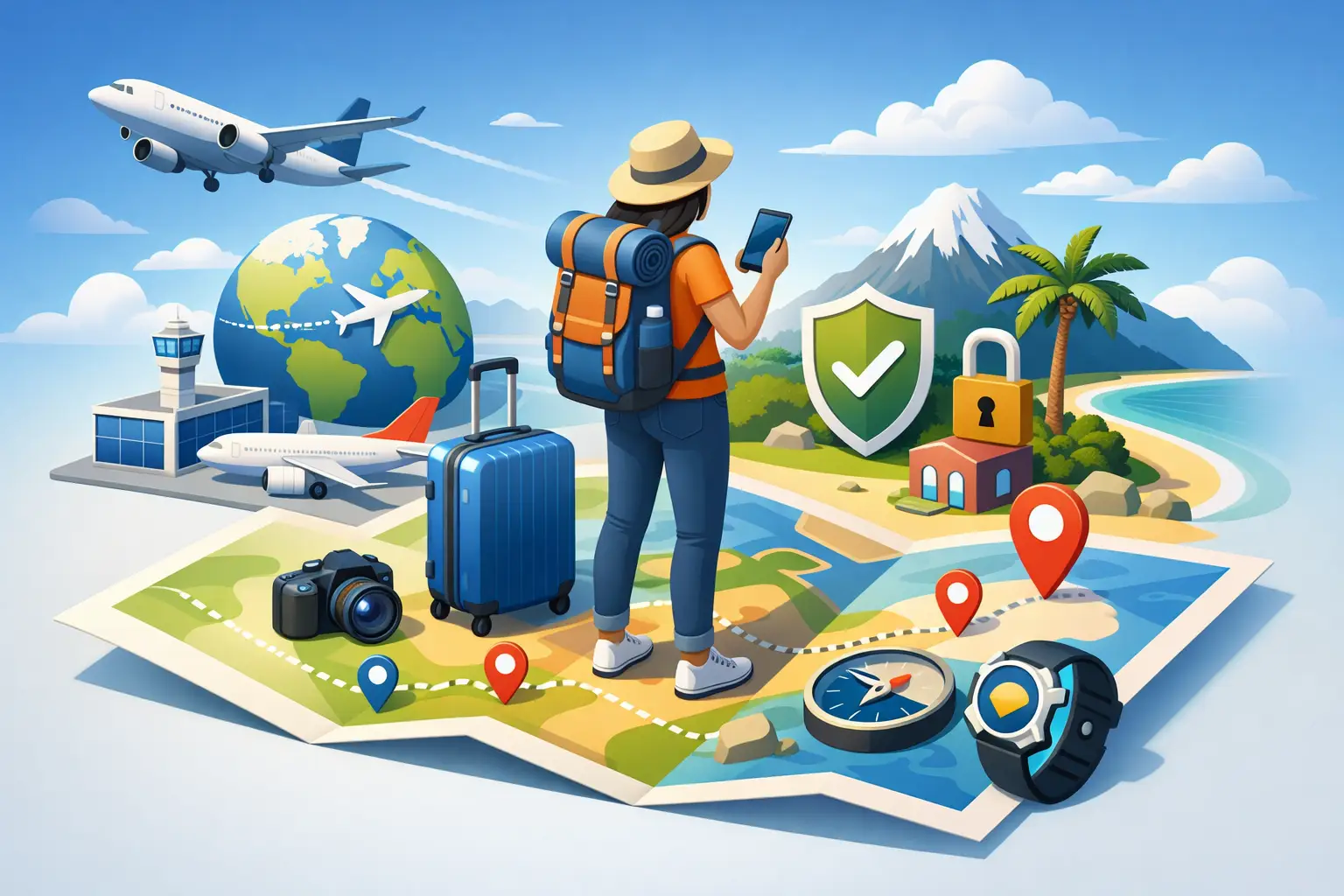
Booking a solo trip can feel liberating right up until the practical questions begin. Which airport transfer should you trust at midnight? How much cash should you carry? What happens if your phone stops working abroad? A strong solo international travel safety guide is not about traveling in fear. It is about reducing avoidable risk so you can move through your trip with confidence, clarity, and control.
For many professionals, solo travel is not a dramatic act of bravery. It is simply the most efficient way to attend an event, take a well-earned break, visit family, or explore a destination on your own terms. The difference between a smooth journey and a stressful one often comes down to preparation. Good planning will not eliminate every inconvenience, but it gives you better options when something changes.
What a solo international travel safety guide should actually cover
Most safety advice starts and ends with common sense. That is not enough. Common sense depends on local context, and local context changes from Lagos to London, from Accra to Paris, and from Dubai to New York.
A useful solo international travel safety guide should help you make decisions before departure, during transit, at your hotel, and while moving around daily. Safety is not just about crime. It includes visa compliance, document handling, transportation choices, digital security, health preparation, and knowing when convenience is worth paying for.
If you are traveling alone for the first time internationally, your goal is not to control everything. Your goal is to avoid being stranded, isolated, overexposed, or easy to exploit.
Start with planning that lowers risk
The safest solo trips usually begin with boring details handled well. Confirm your visa requirements early and check whether your destination expects proof of onward travel, hotel bookings, travel insurance, vaccination records, or financial evidence. Many travelers focus heavily on flights and outfits, then discover too late that a missing document creates the biggest vulnerability of all - being denied boarding or delayed at immigration.
It also helps to choose flight schedules strategically. A cheaper fare that lands at 1:20 a.m. may not be the best option if you are unfamiliar with the city, tired, and arriving without a trusted pickup. In many cases, daytime arrivals offer a safer and easier start, especially if you need to buy a local SIM card, exchange a small amount of money, or navigate public transport for the first time.
Share your itinerary with one or two trusted people, not everyone you know. Include your flight details, hotel names, and the best way to reach you. This is not about broadcasting your plans on social media. It is about making sure someone reliable can act quickly if they cannot reach you.
Choose accommodations like a cautious adult, not an impulsive tourist
Where you stay shapes your exposure to risk every day. A beautiful property at an attractive price can still be the wrong choice if it is isolated, poorly reviewed for security, or difficult to access safely at night.
Look beyond photos. Pay attention to reviews that mention neighborhood safety, front desk responsiveness, elevator access controls, and whether solo travelers felt comfortable returning in the evening. A hotel with 24-hour reception usually offers more protection than an unstaffed short-term rental, particularly if you arrive late or need help quickly.
Room selection matters too. Ground-floor rooms may be convenient, but many experienced travelers prefer a room on a higher floor that is not too close to public access points. At check-in, there is no harm in asking the front desk not to announce your room number aloud.
Luxury is not always necessary, but reliability often is. For solo travelers, paying a little more for a professionally managed property in a strong location is often the better decision.
Airport arrivals and daily transportation deserve extra care
Many travel problems begin in transit, not at the destination itself. Airports create urgency, fatigue, and distraction - exactly the conditions in which poor decisions happen.
Before you land, know how you will leave the airport. If possible, arrange your transfer in advance through your hotel or a reputable provider. If you plan to use a rideshare app, confirm that it operates legally and consistently in that destination. Avoid accepting informal rides from people who approach you inside the terminal, no matter how helpful they seem.
The same principle applies throughout your trip. Public transportation can be perfectly safe in one city and less suitable in another, especially late at night or when carrying luggage. Taxis are not automatically unsafe, but unmarked or unmetered vehicles can create unnecessary disputes. In some destinations, the safest option is not the cheapest one. That is a trade-off worth recognizing early.
When walking, move with purpose. You do not need to look aggressive, only composed. If you are checking directions, step into a shop, hotel lobby, or cafe rather than stopping in the middle of the street with your phone visible.
Protect your documents, money, and phone without becoming anxious
You do not need to hide every possession like a spy. You do need layers.
Carry only what you need for the day. Keep your passport secured unless local law or a specific activity requires you to have it on you. Many seasoned travelers carry a copy of their passport photo page and visa while storing the original safely in the hotel room safe or another secure place. This depends on the country, so check local requirements.
Use more than one payment method. A primary credit card, a backup card stored separately, and a modest amount of local currency is usually smarter than relying on one wallet. If a card is blocked, a bag is misplaced, or an ATM fails, you still have options.
Your phone is now your map, wallet, e-ticket, translator, and emergency contact tool. That makes it both essential and vulnerable. Turn on device tracking, use a strong passcode, and save important information offline, including hotel address details and emergency contacts. A portable charger is not a luxury for solo travel. It is basic protection.
Personal safety is often about boundaries, not fear
Solo travelers are sometimes advised to be friendly and open to spontaneous experiences. That can be true, but boundaries matter more.
Be cautious with the information you share casually. A stranger does not need to know that you are traveling alone, where you are staying, or how long you will be in town. If someone asks intrusive questions, a polite, vague answer is enough. You are not obliged to appear endlessly accommodating.
Alcohol also deserves an honest mention. Enjoying a drink is not unsafe by default, but solo travel changes the calculation. If you are in an unfamiliar setting, with no trusted companion and limited knowledge of the area, staying fully in control is usually the better choice. What feels relaxed at home may carry different risks abroad.
Trust your discomfort early. If a street, venue, car, or interaction feels wrong, leave. You do not need perfect evidence to make a protective decision.
Health, insurance, and emergency planning matter more abroad
Minor issues can become major disruptions when you are alone in another country. A delayed prescription, severe food poisoning, a missed connection, or stolen documents can quickly become expensive and difficult.
Travel insurance is one of the clearest examples of practical protection. It may feel unnecessary until you need medical treatment, trip interruption support, or help replacing essential belongings. Read the policy details rather than assuming all plans cover the same situations.
Pack medication in original packaging and carry enough for your full trip, plus a small buffer if possible. Research whether your destination restricts certain medications. Save the local emergency number in your phone before departure, and identify at least one nearby hospital or clinic after you arrive.
It is also wise to prepare for communication problems. If your phone is lost, could you still access your hotel details, airline confirmations, and ID copies? If the answer is no, your setup needs improvement.
Digital caution is now part of travel safety
A polished airport, luxury hotel, or fashionable cafe does not guarantee digital security. Public Wi-Fi can be convenient, but it can also expose your personal information if you are careless.
Avoid logging into sensitive banking platforms on unsecured networks. Use two-factor authentication where possible, and be mindful of charging stations or borrowed devices. For many professionals, a compromised email account or business app is more disruptive than losing cash.
Social media is another area where restraint helps. Posting your exact location in real time may seem harmless, but it can reveal patterns about where you are staying, whether you are alone, and when you are away from your room.
Confidence comes from preparation, not luck
The best solo travelers are not fearless. They are prepared enough to enjoy the trip without being constantly on guard. They know where they are going, how they are getting there, what documents they need, and who they can contact if something changes.
That level of preparation is especially valuable when your itinerary includes visas, multiple flights, premium hotels, or complex international connections. If you want expert help arranging a safer, more streamlined journey, Walz Travels can support your trip planning with the care serious travelers expect. WhatsApp wa.me/12317902336 or visit walztravels.us.