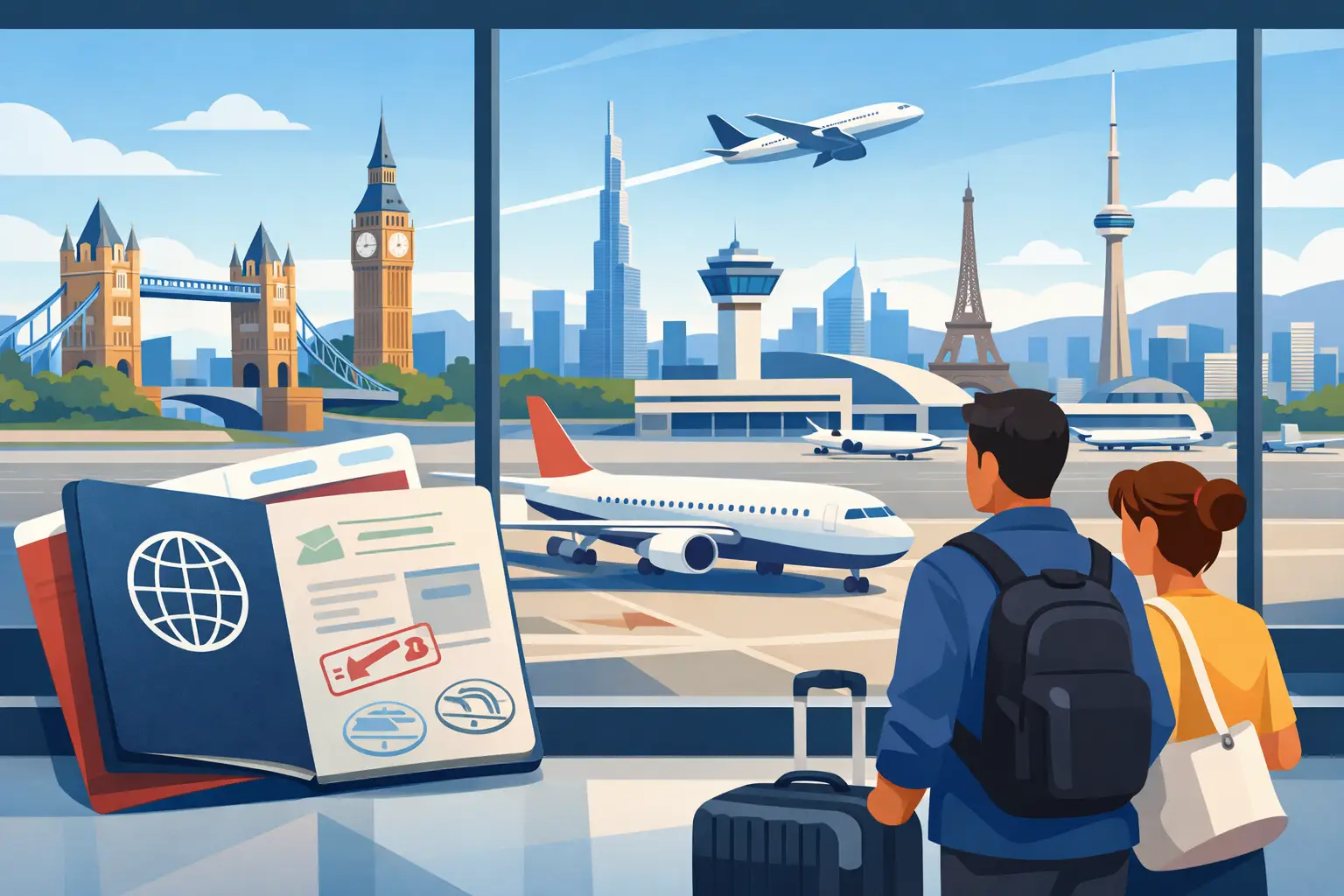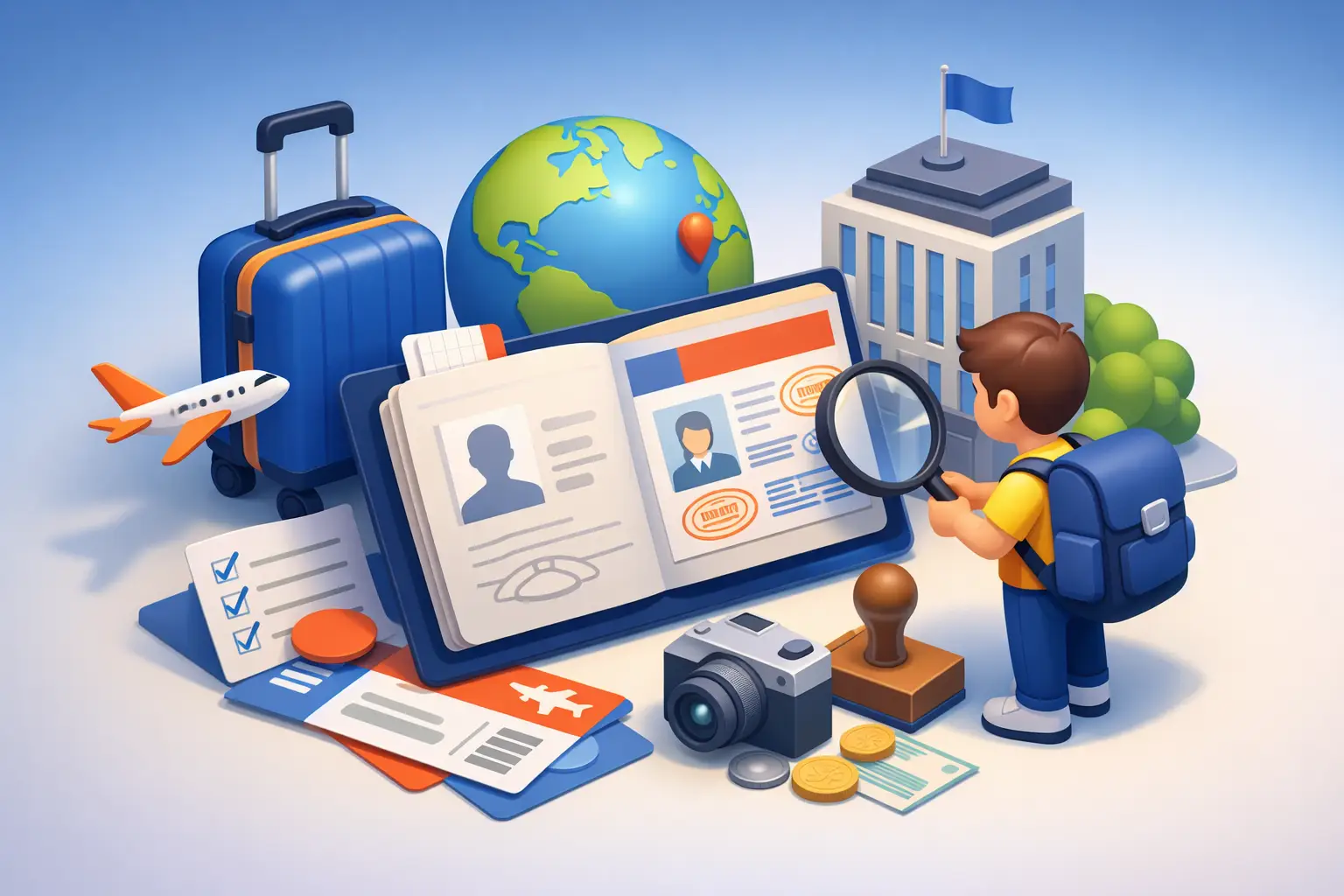
One missing bank statement, one inconsistent date, or one rushed answer can turn an exciting trip into weeks of delay. That is why a first time visa application guide matters more than most travelers expect. If this is your first application, the goal is not simply to fill a form. It is to present a clear, credible, and well-prepared case that matches the rules of the country you plan to visit.
For many travelers, especially busy professionals and families managing work calendars, school schedules, and international commitments, visa applications feel more stressful than flight booking. The challenge is not only paperwork. It is understanding what consular officers are actually looking for and how to avoid preventable mistakes. The good news is that first-time applicants usually do well when they prepare early, stay consistent, and submit documents that tell one coherent story.
A first time visa application guide starts with the right question
Before you collect documents, confirm the exact visa category you need. This sounds obvious, but it is one of the most common areas of confusion. A tourist visa, business visa, family visit visa, student visa, and transit visa can all require different forms, supporting evidence, and interview expectations.
If your trip includes attending meetings, conferences, or industry events, do not assume a tourist visa is close enough. If you are visiting family but will also attend business appointments, the main purpose of travel still needs to be clear and supported. A strong application begins when the visa type matches the real reason for the trip.
This is also where timing matters. Some countries process quickly at certain times of year and more slowly around holidays or peak travel seasons. If you are traveling for a wedding, graduation, conference, or school break, apply with enough room for additional document requests or appointment delays.
What visa officers usually want to see
Every country has its own process, but most visa decisions revolve around the same core issues. Officers want to know who you are, why you are traveling, whether your documents are genuine, whether you can fund the trip, and whether you are likely to follow the visa rules.
That last point makes many first-time travelers nervous, but it should not. You do not need a perfect profile. You need a believable and well-documented one. If you are employed, your work letter, leave approval, and payslips should align. If you are self-employed, your business registration, tax documents, and account activity should support your income claims. If a family member is sponsoring your trip, the relationship, financial ability, and reason for sponsorship should all be easy to understand from the documents.
Strong applications are not built on volume. They are built on relevance and consistency.
The documents that matter most
A practical first time visa application guide should be honest about this: there is no single universal checklist that works for every country. Still, most first-time applications rely on a familiar set of core documents.
Your passport should be valid for the required period and have enough blank pages. Your application form must be completed exactly as instructed, with no careless discrepancies. Passport photographs need to meet the specific size and background requirements for that embassy or visa center.
Financial evidence is often where applications become weak. A healthy bank balance helps, but unexplained large deposits shortly before application can raise questions. Regular salary payments, stable account activity, and a balance that makes sense for the trip usually carry more weight than a last-minute lump sum. If someone else is funding the trip, their documents must be just as strong as yours.
Travel plans should also be realistic. Your flight reservation, hotel booking, invitation letter, and itinerary must agree with one another. If your form says a seven-day visit but your hotel booking shows three nights, that inconsistency can create doubt. The same applies to work letters, leave dates, and intended return dates.
Why consistency matters more than overexplaining
Many first-time applicants try to improve their chances by adding long letters and excessive supporting documents. Sometimes that helps. Often, it simply creates more room for contradiction.
A cleaner approach is usually better. Your documents should answer the main questions without forcing the officer to guess. If there is something unusual in your case, such as recent job change, self-employment, limited travel history, or a sponsor covering costs, address it briefly and directly with appropriate proof.
There is a difference between a complex case and a weak case. A complex case can still be approved if it is well organized and properly explained. A weak case is one where the story does not hold together.
Travel history helps, but it is not everything
Many people assume that no prior international travel means low approval chances. That is not always true. Travel history can support credibility, but it is only one factor. First-time travelers are approved every day.
What matters more is whether your current application makes sense. A stable professional profile, clear purpose of travel, credible funding, and strong ties to your country of residence can be enough even without an extensive passport history. On the other hand, a traveler with many previous visas can still face refusal if the current application is inconsistent or poorly documented.
If this is your first major international trip, focus on presenting your situation clearly rather than worrying about what is missing from your past.
Preparing for the appointment or interview
Not every visa requires an interview, but many require an in-person appointment for biometrics, document submission, or both. Some embassies also ask applicants direct questions. This part is often less intimidating than people expect.
The best preparation is familiarity with your own application. Know your travel dates, destination, where you will stay, how the trip is funded, and what you do for work. If you are visiting someone, be able to explain your relationship naturally and truthfully. If your plans changed after submitting the form, that can be a problem, so avoid applying before your key details are settled.
Dress neatly, arrive early, and answer questions directly. Do not volunteer dramatic explanations or memorize scripted responses. Officers are usually looking for clarity, not performance.
Common mistakes first-time applicants should avoid
The biggest mistake is rushing. Visa applications punish avoidable haste. People submit old employment letters, incomplete financial statements, inconsistent forms, or poor-quality scans because they are trying to meet a date before they are ready.
Another common error is assuming online advice applies to every passport, every embassy, and every country. It does not. Requirements can differ based on nationality, place of residence, visa center, and travel purpose. A Nigerian passport holder living in the US may face different practical requirements than someone applying from Ghana, Canada, or the UAE for the same destination.
Applicants also underestimate the importance of document presentation. If pages are missing, names are spelled differently across documents, or supporting evidence is disorganized, even a valid case can appear weaker than it is.
When professional support makes sense
Some travelers are comfortable handling everything themselves, and straightforward cases can sometimes be managed independently. But if you are balancing a demanding schedule, applying for a destination with strict standards, traveling with family, using a sponsor, or working with limited time, professional support can reduce costly errors.
A good consultant does more than provide a checklist. They help assess whether the visa category fits your purpose, identify weak points before submission, and ensure your documents are aligned. That matters because many refusals are not about fraud or ineligibility. They happen because a legitimate traveler presented a case poorly.
For travelers who value certainty, time savings, and expert review, the right support can make the process far more manageable.
A better way to approach your first application
Think of your application as a file that should make sense to a stranger in just a few minutes. If an officer looks at your job, finances, travel purpose, accommodation, and return plans, will everything point in the same direction? If yes, you are already in a stronger position than many first-time applicants.
This is where experienced guidance can be especially valuable. Walz Travels supports travelers who want expert handling, careful document review, and a more confident route through visa processing without the usual confusion.
Your first visa application does not need to feel uncertain or overwhelming. It needs preparation, accuracy, and a clear strategy. If you want trusted support with your next application, WhatsApp wa.me/447398753797 or visit walztravels.us.