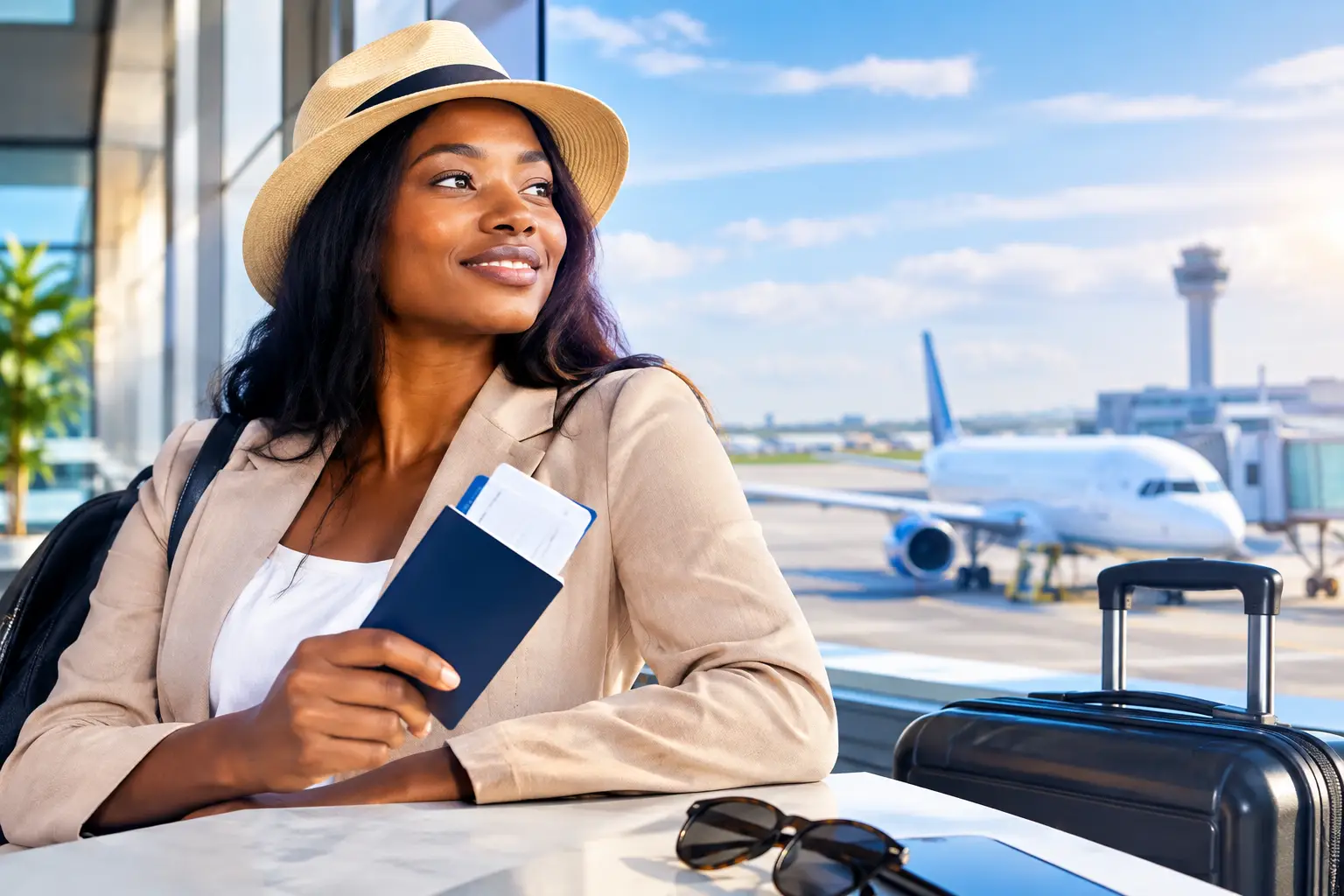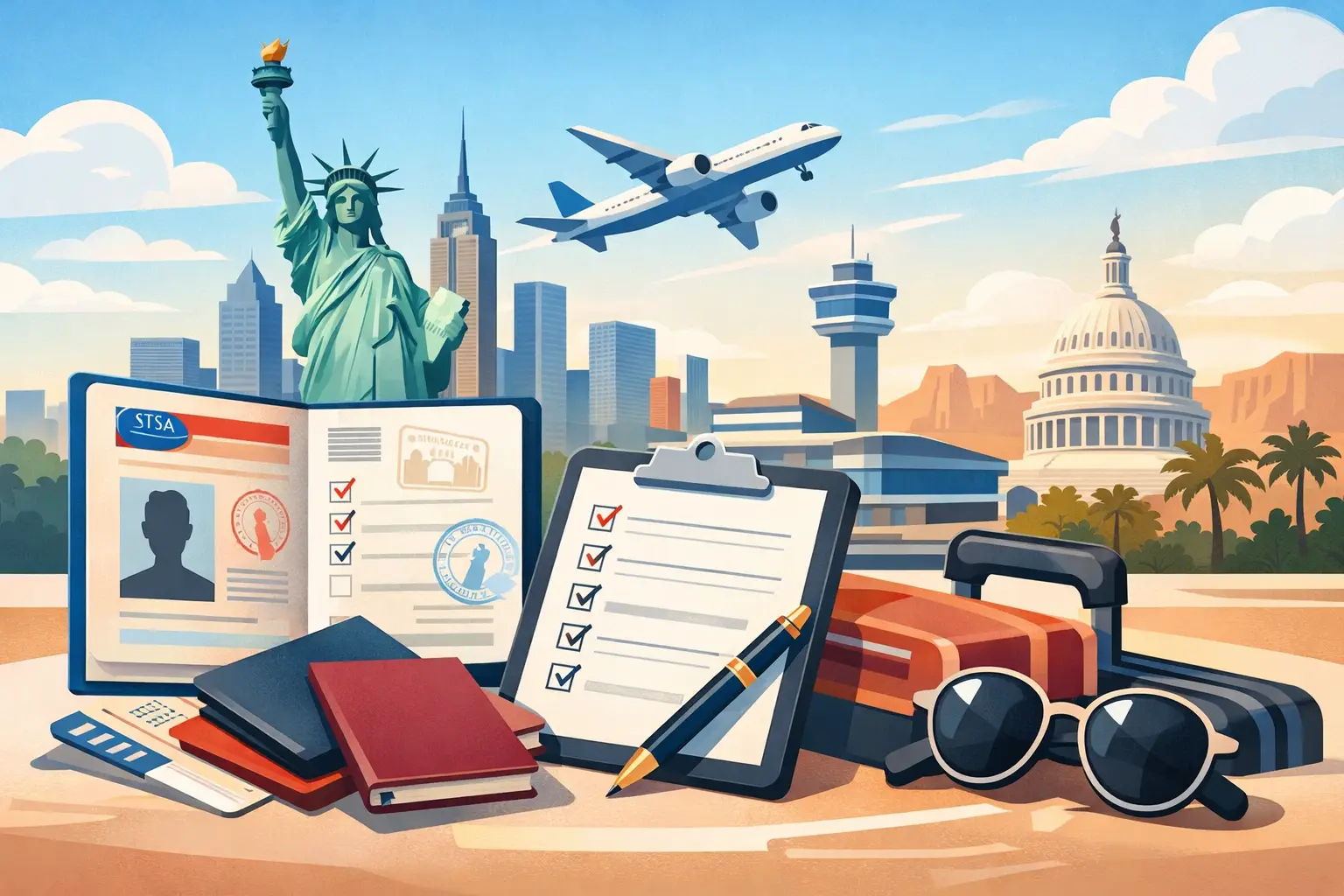
A visa refusal often starts long before the interview. It usually begins with a missing document, an inconsistent answer, or an application that does not clearly explain who you are, why you are traveling, and why you will return home. That is why a proper usa tourist visa checklist matters. If you are applying for a B1/B2 visa for tourism, family visits, or short business travel, preparation is not optional. It is the difference between looking organized and looking uncertain.
For many applicants, especially Nigerian and Ghanaian professionals living in the diaspora, the challenge is not simply gathering papers. It is knowing which documents actually support the application, which ones are secondary, and how to present a credible travel profile. The U.S. tourist visa process can be straightforward, but it rewards consistency, clarity, and evidence of strong personal and financial ties.
What the USA tourist visa checklist is really for
A good checklist is not just a packing list for your interview. It is a way to test whether your application tells a believable story. The consular officer is trying to assess your purpose of travel, your financial capacity, and your likelihood of returning after your visit. Every document you prepare should support one of those points.
That is also why more paperwork is not always better. Many applicants assume that carrying a thick file improves their chances. In reality, irrelevant documents can create confusion. What matters most is whether your DS-160, your appointment details, your financial records, your employment or business evidence, and your travel plans all align.
Core USA tourist visa checklist documents
Every B1/B2 applicant should start with the essentials. Your valid passport is the foundation. It should be in good condition and ideally have enough validity beyond your intended travel period. If you have old passports with previous visas or travel history, take them as well, especially if they show lawful travel to the UK, Schengen area, Canada, or other countries with strong immigration controls.
You will also need your DS-160 confirmation page. This is one of the most important documents in your file because it reflects the information you submitted online. Make sure the barcode page is printed clearly. Your visa appointment confirmation is equally important, along with proof of visa fee payment if applicable in your location.
A recent passport photograph may be useful even if your photo was uploaded electronically. Photo specifications matter, so use a compliant image rather than a casual passport-style photo from a phone or studio unfamiliar with U.S. visa standards.
If you are applying from a country where additional processing instructions apply, follow the specific embassy or consulate guidance carefully. Procedures can vary by location, and small administrative details can slow an otherwise well-prepared application.
Financial documents that strengthen your case
Financial evidence should show that you can afford the trip without looking as though funds were assembled suddenly for the application. Bank statements are commonly requested, and they are most useful when they show stable income, regular activity, and a financial profile that matches your work and lifestyle.
Three to six months of personal bank statements is often a sensible range. If you own a business, business account statements may also help, but only when they are supported by business registration documents and tax records. Large unexplained deposits close to the application date can raise questions. If there is a legitimate reason for unusual account activity, be ready to explain it simply and truthfully.
Pay slips, tax returns, and proof of savings can add depth to the picture. If someone else is sponsoring your trip, that can be acceptable, but it introduces another layer of scrutiny. In that case, the sponsor’s financial evidence, legal status, and relationship to you must all be clear. Sponsorship does not remove the need for you to show strong ties of your own.
Employment, business, and personal ties
One of the strongest parts of a tourist visa application is evidence that you have compelling reasons to return. For employed applicants, this usually includes an employment letter stating your role, salary, start date, and approved leave period. The letter should be current, signed, and consistent with your payslips and bank records.
For business owners, business registration documents, tax filings, company bank statements, and a short letter explaining the nature of the business can be valuable. The key is credibility. A newly created company with little supporting evidence may not carry much weight, while an established business with clear operations usually does.
Personal ties can also matter. Marriage certificates, birth certificates of children, property documents, tenancy agreements, or evidence of ongoing professional commitments may all support the application when relevant. They are not magic documents, but they help show that your life is established outside the United States.
Travel plans and supporting information
You do not always need to purchase flights or hotels before a U.S. tourist visa is issued. In many cases, it is better not to make nonrefundable bookings too early. Still, you should have a realistic travel plan. That means knowing where you intend to go, how long you plan to stay, and who will fund the trip.
If you are visiting family or friends, an invitation letter can help, but it should not be treated as the center of the application. The more important issue is whether your own situation supports temporary travel. If your host is in the U.S., their immigration status documents and proof of address may be useful, especially if your DS-160 states that you will stay with them.
If your trip is for tourism, a simple itinerary is often enough. It does not need to be elaborate. A clear statement of cities to visit, expected dates, and accommodation plans is more persuasive than a vague plan to travel around the U.S. for an undefined period.
Common mistakes that can undermine a strong application
The most common mistake is inconsistency. If your DS-160 says one thing and your supporting documents suggest another, that creates avoidable doubt. A mismatch in employment dates, salary, marital status, travel history, or trip purpose can become more damaging than a missing document.
Another mistake is overexplaining. Visa interviews are usually short. Applicants who answer beyond the question asked sometimes create confusion where none existed. Clear, direct answers are usually best.
There is also the issue of document quality. Poorly scanned bank statements, unverifiable letters, or suspicious paperwork can weaken an application immediately. Any document you submit should be genuine, current, and easy to understand. If a document requires context, prepare a short explanation rather than hoping the officer will infer it.
Finally, applicants sometimes rely too heavily on a host in the U.S. While an invitation can support the case, it does not replace proof of personal stability, finances, and home ties. A strong applicant stands on their own profile first.
Interview day checklist and preparation
On the day of your appointment, carry your passport, DS-160 confirmation page, appointment confirmation, and your carefully arranged supporting documents. Dress neatly and professionally. You do not need formal business attire, but you should appear serious and prepared.
Arrive early enough to manage security procedures without stress. Keep your documents organized in a logical order so you can access them quickly if requested. In many interviews, the officer may not ask to see every document. That is normal. Preparation is still essential because it shapes how confidently and consistently you respond.
Before the interview, review your DS-160 carefully. You should be familiar with every answer submitted in your name. Expect questions about your job, income, purpose of travel, previous international travel, family, and intended duration of stay. If you do not know an answer, do not guess. A calm, honest response is better than an inaccurate one.
When professional guidance makes sense
Some applications are straightforward. Others need careful handling. If you have a previous refusal, limited travel history, complex finances, a sponsor-based trip, or concerns about how your case appears on paper, professional guidance can help you avoid weak presentation.
A well-prepared application is not about embellishment. It is about presenting the truth in a structured and credible way. That is especially valuable for busy professionals and families who want the process handled properly the first time.
If you want expert support with your U.S. visa application and broader travel planning, WhatsApp wa.me/447398753797 or visit walztravels.us. A strong application begins with clarity, and clarity is often what gives you the confidence to walk into the interview ready.